죄책감과 수치심 차이? 행동과 존재 사이 | 『네가 어디 있느냐』 4회 · Guilt vs. Shame: What You Did vs. Who You Are
How is guilt different from shame? A pastor and counselor explains why guilt points to what we did, while shame condemns who we are, and how to tell them apart.
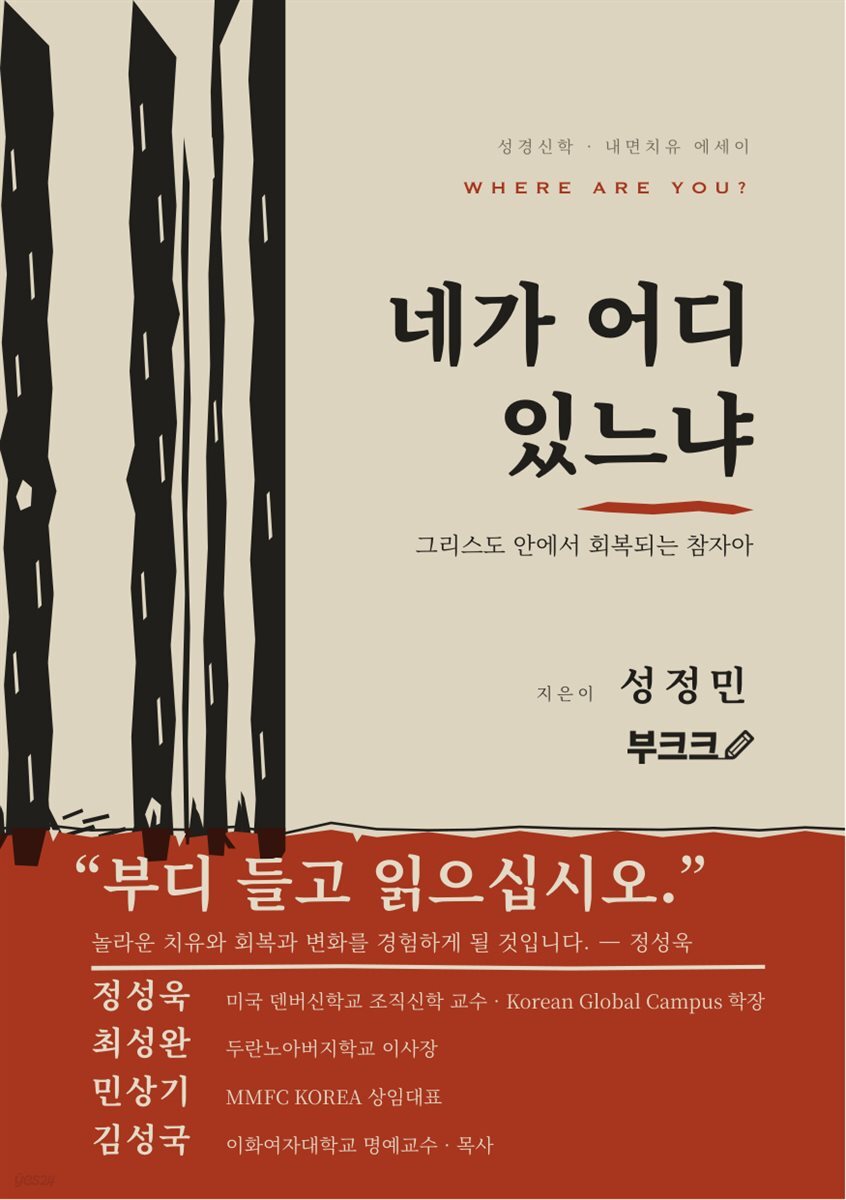
실수 하나에 "오늘 실수했다"가 아니라 "역시 나는 안 돼"가 먼저 튀어나오는 사람이 있다(p.116). 죄책감과 수치심 차이를 모르면 이런 말버릇이 평생 간다. 3장은 이 둘을 가르는 데서 출발한다. 저자가 책 전체에서 가장 날카로운 구별이라 부르는 대목이다(p.109).
포인트 1. 알려지는 것과 사랑받는 것 사이의 골짜기
저자는 동산의 두 사람이 벌거벗고도 부끄러워하지 않은 이유를 이렇게 본다. 보여지는 것이 곧 사랑받는 것이었기 때문이다. 알려지는 것과 받아들여지는 것 사이에 틈이 없었다(p.107).
우리에게는 그 사이에 깊은 골짜기가 있다. 알려질수록 덜 사랑받을까 두려워서, 사랑하는 사람에게도 일부만 보여 주고 가장 깊은 방은 잠가 둔다(p.107). 저자는 숨고 싶은 충동이 원래 그렇게 지어졌다는 증거가 아니라 무언가 깨졌다는 신호라고 쓴다(p.108).
포인트 2. 죄책감과 수치심 차이, 깨진 컵의 비유
죄책은 "내가 잘못을 했다"고 말하며 행동을 가리킨다. 행동을 바로잡으면 물러나는, 출구가 있는 감정이다. 수치심은 "나는 잘못된 존재다"라고 말하며 존재 자체를 정죄한다(p.109-110).
저자의 비유가 선명하다. 깨진 컵을 두고는 사과하고 새것을 사면 된다. 그런데 자기가 깨진 컵이라고 믿는 사람은 자신을 치울 수도 새로 살 수도 없다고 느낀다. 그래서 죄책은 문을 두드리지만 수치심은 벽이 되어 사람을 가둔다(p.110). 친구가 "너는 괜찮은 사람이야"라고 백 번 말해도 이 목소리는 잠시 조용해질 뿐이라고 한다. 머리의 판단이 아니라 존재의 감각이라서다(p.110).
포인트 3. 남자의 수치심, 세 개의 잎
저자는 남성의 수치심이 세 모습으로 나타난다고 본다. 첫째는 숨음이다. 아내가 "무슨 생각 해?" 하고 물으면 "아무것도"라고 답하는 남자. 그 "아무것도" 안에 도시 하나만큼의 생각이 들어 있다고 쓴다(p.115).
둘째는 자기혐오다. 겸손처럼 들리지만 하나님이 보시는 것보다 자신을 더 낮게 보는 일이라서, 저자는 이것을 또 하나의 교만이라고까지 말한다(p.116-117). 셋째는 과장된 자존심이다. 진짜 자신감은 조용하고, 과장된 자존심은 시끄럽다. 박수가 멈추면 견디지 못한다(p.118).
"겸손은 나를 잊게 하고, 수치심은 나를 한순간도 잊지 못하게 합니다." (『네가 어디 있느냐』 p.114)
세 잎은 뿌리가 하나다. 모두 "있는 그대로의 나로는 사랑받을 수 없다"는 말을 다른 방식으로 하고 있다(p.119). 그 목소리가 어디서 멈추는지, 저자가 이 장의 심장이라고 부르는 대목은 책에 남겨 둔다(p.121-125). 나무 위에 숨었던 세리장 삭개오 이야기도 그 뒤에 이어진다(p.125-128).
오늘 해볼 한 가지
오늘 실수를 했다면 속으로 하는 말을 한번 들어 보자. "역시 나는 안 돼"가 들리면 "오늘 이 일을 잘못했다"로 바꿔서 소리 내어 말해 본다. 저자가 말하는 행동과 존재의 구별을 내 입으로 해 보는 연습이다(p.116). 장 끝의 질문도 적어 두자. 나는 한 번의 실수를 곧장 존재 전체에 대한 선고로 비약시키고 있지 않은가(p.130).
자주 묻는 질문
수치심은 양심이 건강하다는 신호 아닌가요?
저자는 절반만 맞다고 답한다. 죄책은 건강할 수 있지만 수치심은 그렇지 않고, 둘을 헷갈리면 평생 엉뚱한 약을 먹게 된다고 쓴다(p.109).
수치심에서 벗어나려면 나를 더 깊이 분석해야 하나요?
저자는 오히려 함정이라고 본다. 우물에 빠진 사람이 우물 벽을 들여다본다고 나올 수 없듯, 거울에서 돌아서서 창문을 열어야 한다고 말한다(p.114).
다음 회: 제4장 「분노: 손가락질하는 인간」을 읽는다.
함께 읽기
구매링크: 네가 어디 있느냐 (예스24)
ENGLISH VERSION
Guilt vs. Shame: What You Did vs. Who You Are
Some people make one mistake, and the first thing out of their mouth isn't "I made a mistake today" but "See, I'm no good" (p.116). If you don't know the difference between guilt and shame, a habit of speech like that can last a lifetime. Chapter 3 begins by separating the two. The author calls it the sharpest distinction in the whole book (p.109).
Point 1. The Valley Between Being Known and Being Loved
The author explains why the two people in the garden were naked and not ashamed. To be seen was to be loved. There was no gap between being known and being accepted (p.107).
For us, a deep valley lies between the two. We're afraid that the more we are known, the less we will be loved. So even with the people we love, we show only part of ourselves and keep the deepest room locked (p.107). The author writes that the urge to hide doesn't prove we were made that way. It's a sign that something has been broken (p.108).
Point 2. The Difference Between Guilt and Shame: The Broken Cup
Guilt says, "I did something wrong," and points to an action. Once you set the action right, it goes away. It's a feeling with a way out. Shame says, "I am something wrong," and condemns the person's very being (p.109-110).
The author's picture makes it clear. If you break a cup, you apologize and buy a new one. But a person who believes they are the broken cup feels they can neither be cleared away nor replaced. So guilt knocks on a door, but shame becomes a wall that locks a person in (p.110). He says that even if a friend tells you "You're a good person" a hundred times, that voice only goes quiet for a while, because it isn't a judgment of the mind but a sense of who you are (p.110).
Point 3. A Man's Shame: Three Leaves
The author sees men's shame showing up in three forms. The first is hiding. A wife asks, "What are you thinking?" and the man answers, "Nothing." He writes that inside that "nothing" there are enough thoughts to fill a city (p.115).
The second is self-hatred. It sounds like humility, but it means seeing yourself as lower than God sees you, so the author goes as far as calling it another kind of pride (p.116-117). The third is inflated pride. Real confidence is quiet, and inflated pride is loud. When the applause stops, it can't bear it (p.118).
"Humility lets me forget myself; shame never lets me forget myself for a single moment." (Where Are You? (네가 어디 있느냐), p.114)
The three leaves grow from one root. Each one says, in its own way, "I cannot be loved as I really am" (p.119). Where that voice finally stops, in the passage the author calls the heart of this chapter, I'm leaving for you to find in the book (p.121-125). After that comes the story of Zacchaeus, the chief tax collector who hid up in a tree (p.125-128).
One Thing to Try Today
If you make a mistake today, listen to what you say to yourself. If you hear "See, I'm no good," change it to "I did this one thing wrong today" and say it out loud. It's practice in saying, with your own mouth, the author's distinction between what you do and who you are (p.116). Write down the question at the end of the chapter too: Am I leaping from a single mistake straight to a verdict on my whole self (p.130)?
Frequently Asked Questions
Isn't shame a sign of a healthy conscience?
The author says that's only half right. Guilt can be healthy, but shame isn't. He writes that if you confuse the two, you'll spend your whole life taking the wrong medicine (p.109).
To get free of shame, do I need to analyze myself more deeply?
The author sees that as a trap. A person who has fallen into a well can't climb out by staring at the well's walls. In the same way, he says, we have to turn away from the mirror and open the window (p.114).
Next time: we read Chapter 4, "Anger: The Finger-Pointing Man."
Read Along
- All posts on Where Are You?
- Introducing Where Are You?: Why men act strong, and the fear behind anger
- Books by Seong Jungmin
Buy the book: Where Are You? (Yes24)
Translated from the Korean original by the author's team with AI assistance. Scripture quotations are from the World English Bible (public domain).
💬 함께 나눠요 · 하나님이 '네가 어디 있느냐' 물으신다면 지금 뭐라고 답하시겠어요? 댓글로 들려주시면 꼭 읽겠습니다.
◀ 이전 회: 두려움의 반대말은? 용기가 아니라는 책
다음 회 ▶ 남자는 왜 화를 내는가? 밑에서 끓는 것 (11월 4일 아침 8시 공개)
📖 책 소개: 『네가 어디 있느냐』 — 성정민 목사 (차례·저자·구매처)


댓글