애착 유형은 바뀔까? 이 사람 곁의 나 | 『결혼 전에 보이는 것』 5회 · Can Attachment Styles Change? Who I Become Beside This Person
Can your attachment style change? A pastor and counselor looks at research on perceived commitment and who you become in a relationship before marriage.
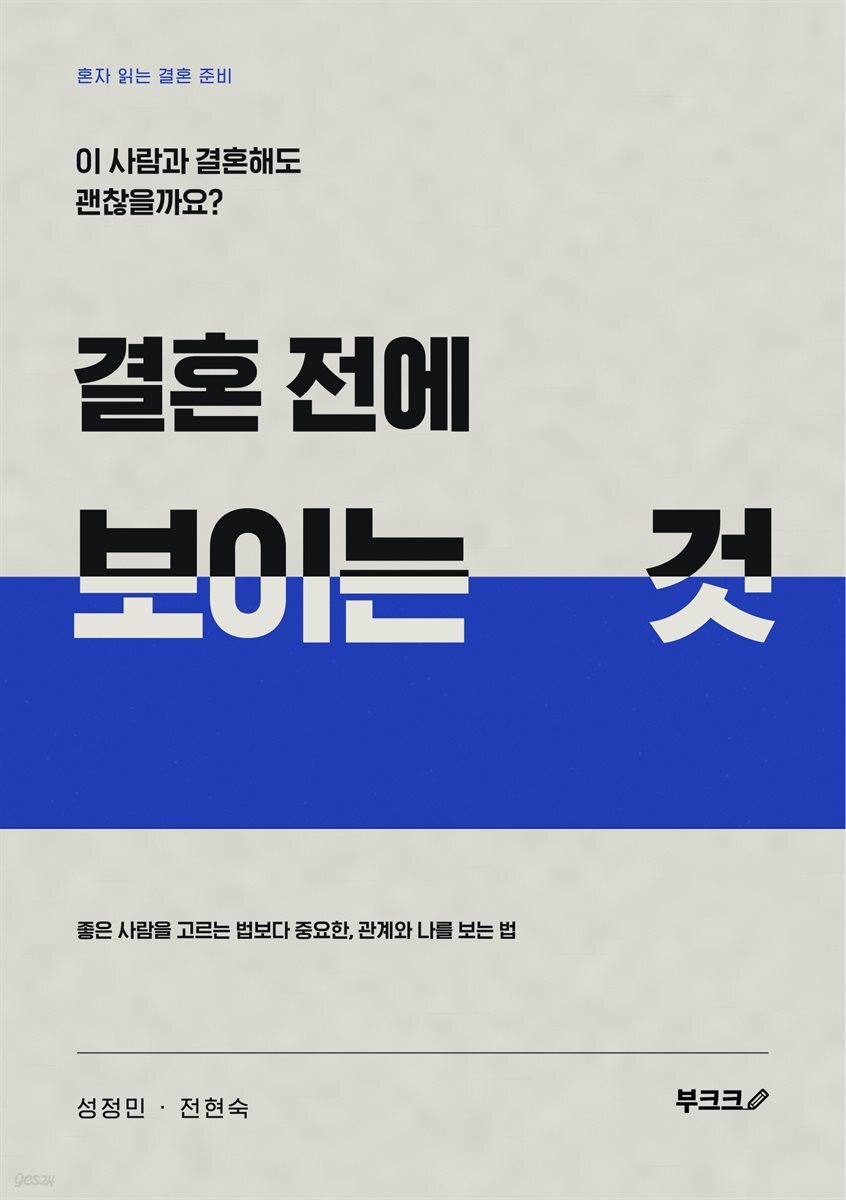
나는 원래 불안한 사람이라며 애착 유형을 탓해 본 적이 있다면 4장의 가상 사례가 낯설지 않을 것이다. "정말 좋은 사람이에요. 그런데 이 사람을 만나고 집에 돌아오면 제가 싫어져요."(p.82) 상대 흠은 하나도 못 대면서, 돌아오는 길마다 아까 한 말을 되짚는 사람이다. 이 장은 애착 유형이 바뀔 수 있는지, 이 사람이 문제인지 내가 문제인지를 다른 자리에서 묻는다.
포인트 1. 가장 크게 설명한 변수는 '지각된' 헌신이었다
1장에서 본 Joel 외(2020) 연구가 지금의 관계 질을 설명할 때 가장 크게 기여한 변수의 원래 이름은 '지각된 상대의 헌신(perceived partner commitment)'이다(p.84). '지각된'은 저자들이 붙인 말이 아니라 원 연구의 변수명이다. 상대가 실제로 얼마나 헌신하느냐가 아니라 내가 그렇게 느끼느냐를 잰 것이다.
그러니 이 자료가 가리킨 곳은 상대라는 사람이 아니라 내가 읽어 낸 상대이고, 그 읽어 내는 일이 일어나는 자리는 나와 이 사람 사이다. (『결혼 전에 보이는 것』 p.84)
포인트 2. 지각된 헌신, 확인할 수 있지만 틀릴 수도 있다
책은 이 말의 두 얼굴을 같이 적는다. 하나는 내가 확인할 수 있는 자리라는 점이다. 상대의 속성을 알아내는 일은 끝이 없고 상대의 협조도 필요하지만, 지금 이 사람에게서 무엇을 느끼는지는 오늘 앉아서 적어 볼 수 있다(p.85).
다른 하나는 지각이 틀릴 수 있다는 점이다. 내가 헌신을 느낀다고 해서 상대가 헌신하는 것은 아니다. 연구가 잰 것은 지각과 관계의 질이 함께 움직인다는 데까지다. 그래서 "네 느낌이 곧 사실이다"로 읽으면 안 된다고 저자들은 선을 긋는다(p.85).
포인트 3. 애착 유형은 관계 안에서 움직였다
애착은 흔히 타고난 성격처럼 이야기된다. 이 장이 새로 대는 연구 한 편(Arriaga 외, 2014)이 그 설명을 흔든다. 이미 서로에게 마음을 정한 연인 134쌍에게 시간을 두고 다시 물었더니, 상대가 곁에 있고 의지할 수 있다는 지각은 애착 회피가 줄어드는 것을 예측했다. 상대가 내 목표를 격려한다는 지각은 애착 불안이 줄어드는 것을 예측했다(p.86).
그렇다고 "신뢰를 쌓으면 관계가 좋아진다"로 넘어가지는 않는다. 한 편의 연구이고, 134쌍의 상관 기반 종단 자료이며, 이를 결혼 준비 처방으로 옮긴 연구는 찾지 못했다고 책은 밝힌다(p.86~87, p.89).
그러면 이 장의 제목 물음은 앞의 물음들과 무엇이 다를까. 책은 그 차이를 한 단어로 짚는데, 그 대목은 책에서 확인하시길 권한다(p.87).
오늘 해볼 한 가지
"이 사람과 있을 때 나는 어떤 사람이 되는가"에 문장으로 답해 보자. 형용사 하나로 끝내지 말고 최근에 있었던 장면을 같이 적는다. 그리고 그 답이 내가 느낀 것인지, 상대가 한 일인지 표시해 둔다. 둘은 다른 칸이다(p.91). 만나는 사람이 없다면 "사람들과 있을 때"로 바꿔 답해도 된다. 다만 이 변형이 같은 것을 재는지는 확인하지 못했다고 저자들은 덧붙인다(p.91).
다음 회 예고: 6회 「5장 싸우는 것이 문제가 아니라 어떻게 싸우는가」
함께 읽기
구매링크: 결혼 전에 보이는 것 (예스24)
ENGLISH VERSION
Can Attachment Styles Change? Who I Become Beside This Person
If you have ever blamed your attachment style and told yourself you are just an anxious person by nature, the hypothetical case in Chapter 4 will feel familiar. "They're a really good person. But whenever I come home after seeing them, I end up disliking myself." (p.82) This is someone who can't name a single flaw in the other person, yet on every ride home goes back over everything they said earlier. This chapter asks whether attachment styles can change, and whether the problem is this person or me, from a different angle.
Point 1. The variable that explained the most was "perceived" commitment
In the Joel et al. (2020) study we looked at in Chapter 1, the variable that did the most to explain current relationship quality was originally called "perceived partner commitment" (p.84). The word "perceived" was not added by the authors. It is the variable name in the original study. What it measured was not how committed the partner actually is, but whether I feel that they are.
So what this data pointed to was not the partner as a person, but the partner as I read them, and the place where that reading happens is between me and this person. (What You Can See Before Marriage (결혼 전에 보이는 것), p.84)
Point 2. Perceived commitment: you can check it, but you can also be wrong
The book sets down both sides of this term. The first is that it is something I can check. Finding out what the other person is really like never ends, and it needs their cooperation. But I can sit down today and write out what I feel from this person right now (p.85).
The second is that perception can be wrong. Feeling that someone is committed does not mean they are. The research only goes as far as showing that perception and relationship quality move together. So the authors draw a clear line: it must not be read as "what you feel is the truth" (p.85).
Point 3. Attachment styles shifted within the relationship
People often talk about attachment as if it were an inborn personality trait. One study that this chapter brings in for the first time (Arriaga et al., 2014) challenges that view. Researchers asked 134 couples who had already committed to each other the same questions again over time. Seeing the partner as available and dependable predicted a drop in attachment avoidance. Seeing the partner as encouraging one's goals predicted a drop in attachment anxiety (p.86).
Even so, the book does not jump to "build trust and your relationship will get better." It points out that this is a single study, that its data are correlational and longitudinal from 134 couples, and that the authors found no research turning these findings into advice for marriage preparation (p.86~87, p.89).
So how is the question in this chapter's title different from the questions that came before it? The book names that difference in a single word, and I encourage you to find that passage in the book itself (p.87).
One thing to try today
Answer this question in full sentences: "Who do I become when I am with this person?" Don't stop at one adjective. Write down a recent scene along with it. Then mark whether each answer is something you felt or something the other person did. Those belong in different columns (p.91). If you are not seeing anyone, you can answer "when I am with people" instead. The authors add, though, that they have not confirmed whether this variation measures the same thing (p.91).
Coming next: Part 6, "Chapter 5: It's Not Whether You Fight, but How You Fight"
Read along
- All posts on What You Can See Before Marriage
- Introducing What You Can See Before Marriage
- Books by Seong Jungmin
Buy the book: What You Can See Before Marriage (YES24)
Translated from the Korean original by the author's team with AI assistance. Scripture quotations are from the World English Bible (public domain).
💬 함께 나눠요 · 배우자를 고를 때 놓치기 쉬운 것은 무엇이라고 생각하시나요? 댓글로 들려주시면 꼭 읽겠습니다.
◀ 이전 회: 결혼 전에 꼭 확인해야 할 것? 분별부터
다음 회 ▶ 결혼 전 싸움, 횟수보다 방식이 갈린다 (11월 10일 아침 8시 공개)


댓글